In modern commerce, clarity is currency. Organizations that thrive are not merely reactive entities chasing trends; they are deliberate systems guided by a coherent business strategy. Strategy defines intent. It imposes order on complexity and transforms uncertainty into a navigable terrain. Without it, even the most resource-rich enterprises risk strategic entropy.
At its most fundamental level, strategy is about choice. Decisive, sometimes uncomfortable choice. What markets deserve focus. Which capabilities warrant investment. Which opportunities must be declined, even when they appear lucrative in the short term.
The Strategic Foundation of Competitive Advantage
A robust business strategy begins with a precise understanding of competitive advantage. Advantage is not accidental. It is constructed through differentiated value propositions, defensible positioning, and sustained execution. Organizations must decide how they intend to win, not merely how they intend to participate.
This foundation rests on an honest appraisal of internal strengths and external forces. Industry structure, customer behavior, and technological velocity all exert influence. Yet strategy is not a passive response to these forces. It is an active configuration of resources designed to shape outcomes rather than endure them.
Short sentences sharpen focus.
Longer analyses provide depth.
Together, they create strategic coherence.
Strategic Analysis and Market Insight
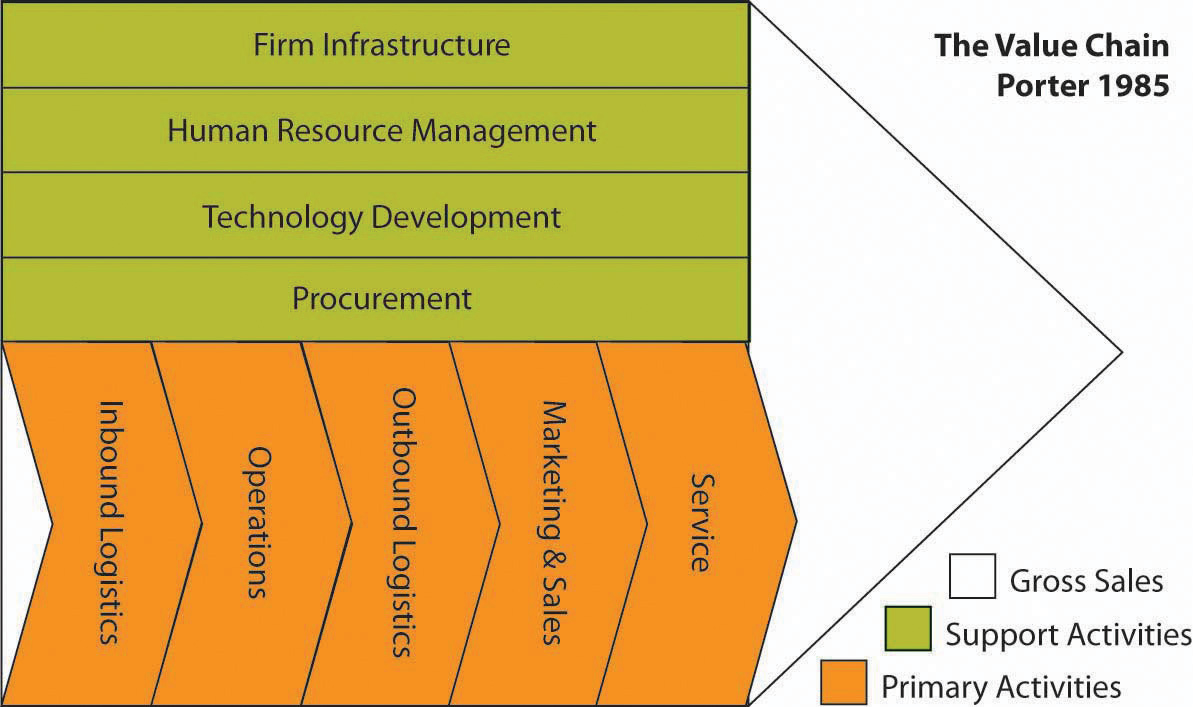
Effective business strategy is grounded in insight, not assumption. Market intelligence, when interpreted correctly, reveals patterns beneath surface-level volatility. Competitive mapping, value chain analysis, and demand forecasting provide the analytical scaffolding upon which strategic decisions are built.
However, data alone is insufficient. Insight emerges when information is contextualized through experience and judgment. This is where many strategies falter. Excessive reliance on historical data can obscure emergent threats and nascent opportunities. Strategic foresight requires both empirical rigor and imaginative projection.
Organizations that cultivate this balance develop strategic elasticity—the ability to pivot without disintegration.
Capabilities, Constraints, and Strategic Fit
Strategy must align with capability. Ambition detached from operational reality leads to executional fragility. A mature business strategy acknowledges constraints while seeking to transcend them through innovation and learning.
Core competencies function as strategic anchors. These may include proprietary technology, process excellence, brand trust, or organizational culture. When leveraged correctly, such capabilities amplify strategic intent and create barriers to imitation.
Equally important is recognizing what an organization cannot do well. Strategic discipline demands restraint. Focus is not a limitation; it is a force.
Strategic Execution as a Differentiator
Execution is where strategy is tested. Grand strategic narratives lose credibility if daily decisions contradict stated priorities. Alignment between leadership vision and operational behavior is non-negotiable.
A high-functioning business strategy translates into clear objectives, measurable outcomes, and accountability structures. Incentives reinforce priorities. Processes enable speed without sacrificing control. Communication ensures that strategy is not confined to senior management but embedded across the organization.
Execution is repetitive. It is unglamorous. It is decisive.
Navigating Uncertainty with Strategic Agility
Volatility defines the contemporary business environment. Economic shocks, technological disruption, and geopolitical realignments introduce persistent uncertainty. In this context, business strategy must be both resilient and adaptive.
Strategic agility does not imply constant change. It implies preparedness. Scenario planning, modular investments, and optionality allow organizations to respond swiftly without abandoning long-term direction. Strategy becomes a compass rather than a map—providing orientation even when the terrain shifts.
Organizations that embrace this mindset treat uncertainty as a strategic input, not an existential threat.
Leadership and Strategic Alignment
Strategy lives or dies through leadership. Leaders are the custodians of strategic intent, responsible for sustaining focus amid distraction. They model priorities through decisions, resource allocation, and narrative framing.
A compelling business strategy is communicated with precision and conviction. It explains not only what will be done, but why it matters. This shared understanding fosters alignment, reduces friction, and empowers autonomous decision-making within defined boundaries.
Consistency builds trust. Trust accelerates execution.
Measuring Strategic Effectiveness
What is not measured cannot be managed. Strategic metrics must reflect value creation, not superficial activity. Financial performance remains critical, but it is rarely sufficient on its own.
Customer loyalty, innovation throughput, operational resilience, and talent retention often provide earlier indicators of strategic health. A sophisticated business strategy employs a balanced measurement system, ensuring that short-term performance does not undermine long-term viability.
Metrics are signals. They guide recalibration.
Conclusion: Business Strategy as an Ongoing Discipline
Ultimately, business strategy is not a document or an annual exercise. It is a continuous discipline of thinking, choosing, and acting with intent. It demands rigor, humility, and perseverance.
Organizations that treat strategy as a living framework—refined through evidence and experience—are better equipped to create enduring value. In a world defined by acceleration and ambiguity, strategy remains the art of purposeful direction.