In an environment defined by acceleration and ambiguity, organizations cannot rely on momentum alone. Activity is plentiful. Direction is scarce. What separates enduring enterprises from transient successes is a coherent business strategy—a deliberate framework that governs choice, channels effort, and converts intent into sustained advantage.
Strategy is not a reaction to circumstance. It is an assertion of purpose. It delineates where an organization will compete, how it will differentiate, and why its approach will remain relevant over time. Without this clarity, even sophisticated operations drift into fragmentation.
The Anatomy of Strategic Choice
Every credible business strategy is constructed from choices that are both enabling and constraining. These decisions define markets to enter, customers to prioritize, and capabilities to cultivate. Just as importantly, they define what will be excluded.
Exclusion is uncomfortable. Yet it is essential. Strategic focus is born from restraint, not excess. When organizations attempt to pursue every opportunity, they dilute resources and obscure identity. Precision, by contrast, creates leverage.
Short choices resonate.
Long consequences endure.
Environmental Insight and Strategic Context
Strategy exists within a dynamic ecosystem. Economic volatility, regulatory evolution, technological disruption, and shifting consumer expectations continuously reshape the competitive landscape. A sophisticated business strategy begins with environmental acuity—the ability to detect patterns beneath surface-level noise.
This requires more than data accumulation. It demands interpretation. Strategic insight emerges when information is contextualized through experience, judgment, and foresight. Organizations that cultivate this capability identify inflection points early, positioning themselves ahead of disruption rather than behind it.
Context informs direction. Direction enables action.
Competitive Positioning and Value Creation
Positioning is the external manifestation of business strategy. It explains why an organization exists in its chosen form and why customers should care. Effective positioning is distinctive, credible, and defensible.
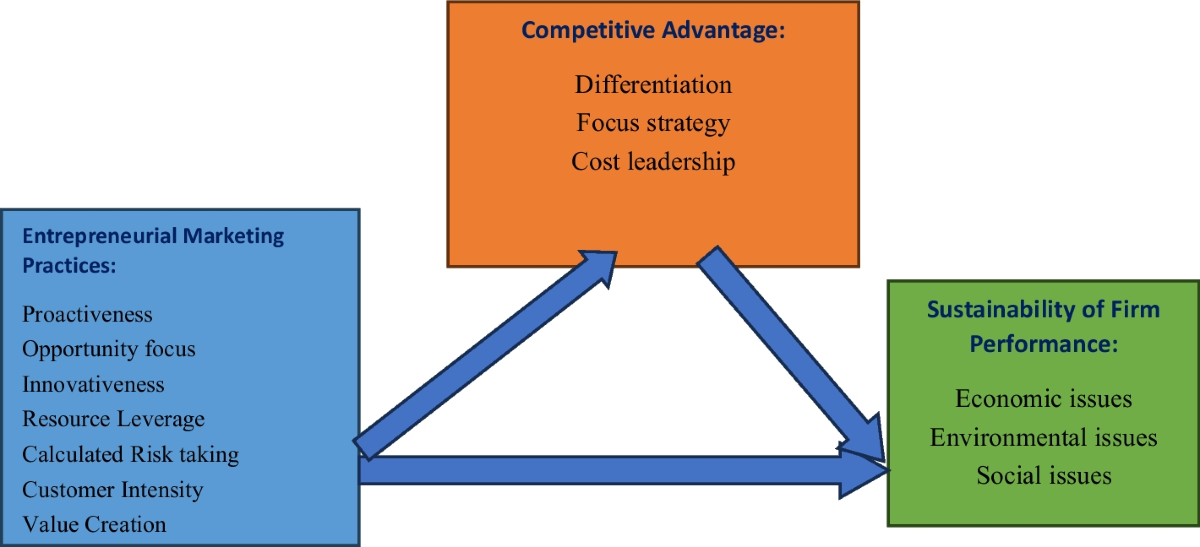
Traditional archetypes—cost leadership, differentiation, focus—remain relevant, yet modern competition often requires nuanced combinations. The challenge lies in maintaining coherence. Differentiation that lacks operational support collapses under pressure. Cost efficiency without value perception erodes loyalty.
True value creation aligns what the organization does best with what the market values most.
Capabilities as Strategic Infrastructure
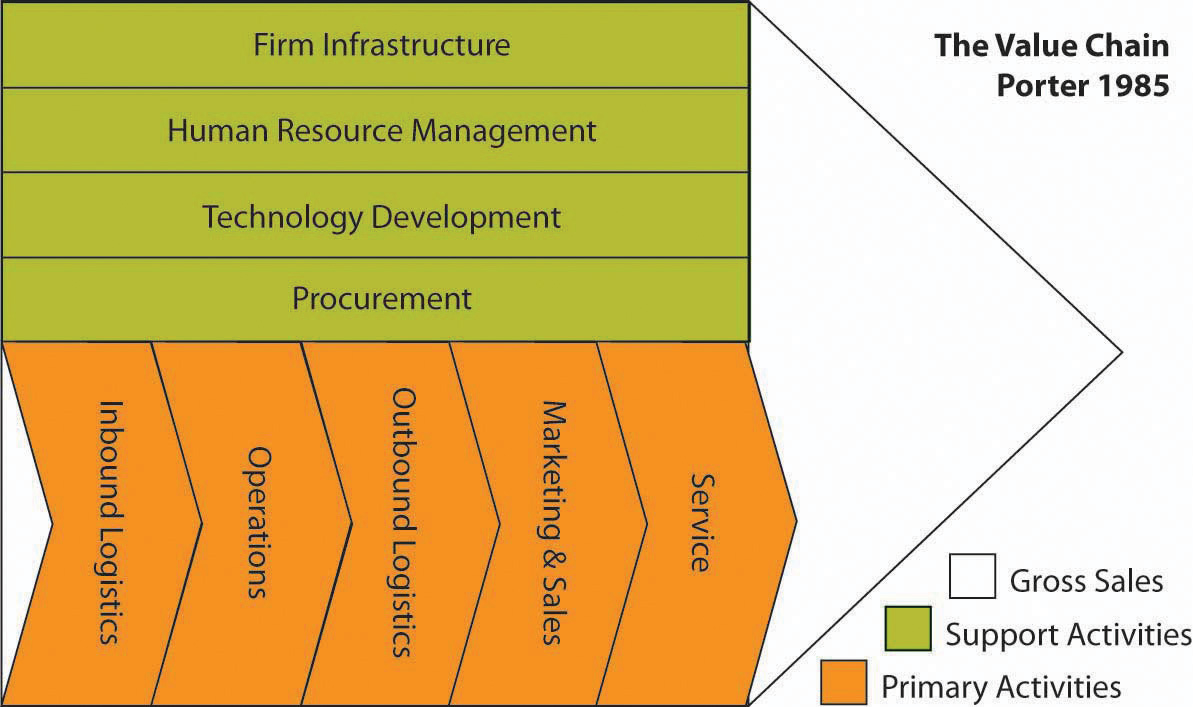
While markets fluctuate, internal capabilities provide continuity. Core competencies—those rare, inimitable, and deeply embedded—form the infrastructure of sustainable advantage. A resilient business strategy is anchored in these capabilities.
Such assets may include proprietary processes, advanced analytics, adaptive culture, or brand trust. When deliberately cultivated, they create asymmetry. Competitors can observe outcomes but struggle to replicate origins.
Equally vital is recognizing limitations. Strategy must reconcile aspiration with feasibility. Investment decisions should prioritize capabilities that reinforce long-term positioning rather than transient optimization.
Execution and Organizational Alignment
Strategy achieves relevance only through execution. Without disciplined implementation, even the most eloquent business strategy remains aspirational. Execution aligns systems, incentives, and behaviors with strategic intent.
Clarity is paramount. Objectives must be explicit. Accountability must be defined. Metrics must reflect what truly matters. When daily decisions reinforce strategic priorities, alignment emerges organically.
Execution is repetitive.
It is procedural.
It is decisive.
Organizations that excel at execution treat strategy not as a declaration, but as a pattern of consistent behavior.
Strategic Agility in an Era of Uncertainty
Uncertainty is no longer episodic; it is structural. Global supply chains fracture, technologies converge, and geopolitical shifts reverberate across markets. In this context, business strategy must balance commitment with adaptability.
Strategic agility does not imply perpetual change. It emphasizes preparedness. Scenario planning, modular investments, and optionality enable organizations to respond without abandoning direction. Strategy becomes a compass—providing orientation even when the terrain shifts unexpectedly.
Stability and flexibility are not opposites. They are complements.
Leadership and the Strategic Narrative
Leadership animates strategy. Through decisions, communication, and resource allocation, leaders signal priorities and reinforce coherence. A compelling business strategy is articulated as a narrative—one that explains purpose, direction, and trade-offs.
This narrative aligns stakeholders and empowers decentralized decision-making. When individuals understand the strategic rationale, they can act autonomously without deviating from intent. Alignment reduces friction. Shared understanding accelerates execution.
Consistency builds credibility. Credibility sustains momentum.
Measuring Strategic Effectiveness
Measurement grounds strategy in reality. Effective metrics illuminate value creation rather than superficial activity. Financial results remain critical, yet they often lag behind strategic health.
Customer retention, innovation velocity, operational resilience, and talent engagement frequently serve as leading indicators. A mature business strategy employs a balanced measurement system, ensuring short-term performance does not compromise long-term viability.
Metrics guide recalibration. They validate assumptions and expose misalignment before it becomes systemic.
Conclusion: Business Strategy as a Living Discipline
Ultimately, business strategy is not a document or an annual exercise. It is a continuous discipline of analysis, choice, and execution. It demands rigor, humility, and persistence.
Organizations that treat strategy as a living framework—refined through evidence and experience—are better positioned to endure volatility and shape their own futures. In a world defined by complexity, strategy remains the architecture of purposeful progress.