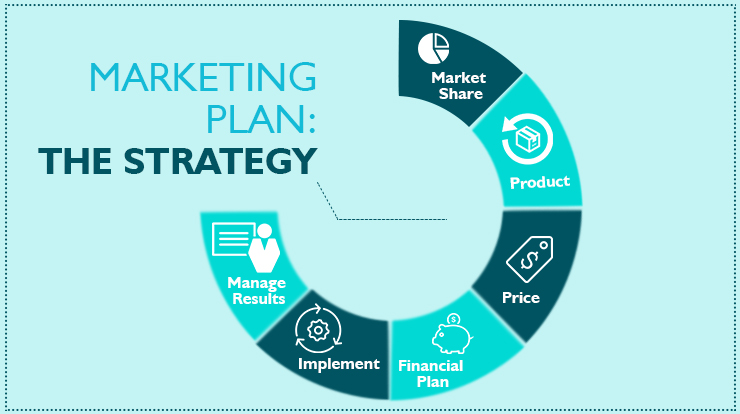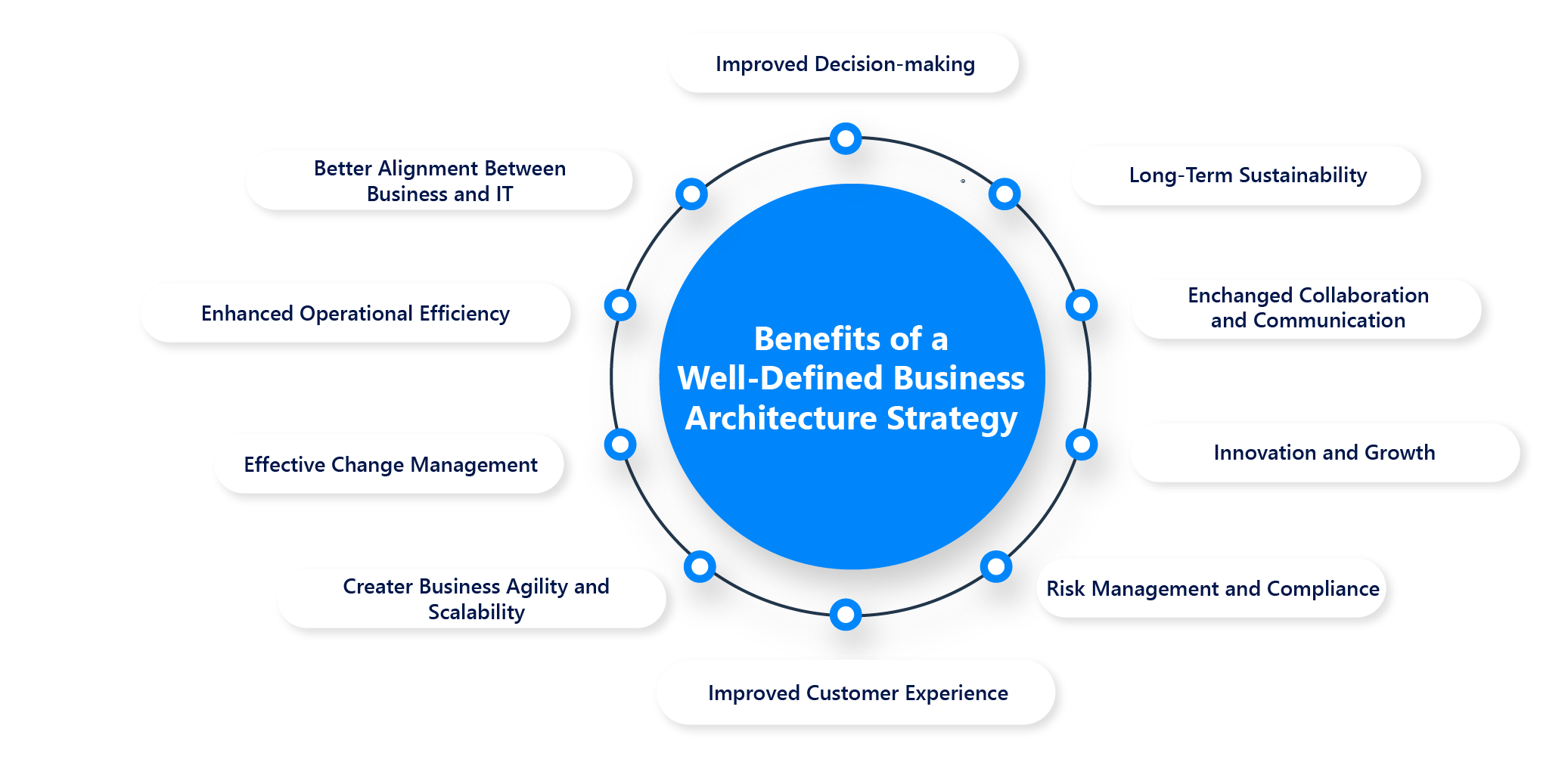
In an era defined by volatility, hypercompetition, and relentless innovation, business strategy is no longer a static blueprint tucked away in executive binders. It is a living architecture. It shapes how organizations allocate resources, interpret uncertainty, and transform ambition into durable outcomes. Strategy, at its essence, is about making consequential choices—what to pursue, what to ignore, and how to compete with intentionality rather than improvisation.
A well-articulated strategy does not merely respond to market conditions. It anticipates them. It creates asymmetry. It turns complexity into coherence.
The Conceptual Core of Business Strategy
At its core, business strategy is the disciplined alignment of vision, capabilities, and market realities. It answers three fundamental questions: where to compete, how to win, and what must be true for success to materialize. These questions appear deceptively simple. In practice, they demand rigorous analysis and intellectual candor.
Strategy is not synonymous with growth, nor is it a list of initiatives. It is a hypothesis about value creation. This hypothesis is tested continuously against competitors, customers, and constraints. When executed effectively, strategy becomes a force multiplier, allowing organizations to achieve disproportionate results with finite means.
Importantly, strategy thrives on trade-offs. Choosing one path necessitates abandoning another. The refusal to make such choices often leads to strategic dilution, where effort is abundant but impact remains elusive.
Environmental Intelligence and Strategic Positioning
No strategy exists in a vacuum. External forces—technological disruption, regulatory shifts, cultural evolution—reshape industries with unsettling speed. Strategic acuity begins with environmental intelligence: the ability to perceive weak signals before they become seismic shifts.
This intelligence informs positioning. Strategic positioning is not about being everything to everyone; it is about occupying a distinct and defensible space in the competitive landscape. Cost leadership, differentiation, and focus strategies each represent archetypal positions, yet modern contexts often demand hybridization without incoherence.
Here, business strategy becomes an exercise in synthesis. Data must be translated into insight. Insight must guide deliberate action. Organizations that master this sequence gain resilience, even when operating under conditions of ambiguity.
Capabilities as Strategic Currency
While markets fluctuate, internal capabilities often determine long-term viability. These capabilities—organizational culture, operational excellence, intellectual property, brand equity—form the strategic substrate upon which plans are built.
A sophisticated business strategy recognizes that not all capabilities are equal. Some are merely necessary. Others are rare and inimitable. Strategic leaders invest disproportionately in the latter, cultivating competencies that competitors struggle to replicate. This is where strategy intersects with organizational design, talent development, and governance.
Execution, often underestimated, is the crucible in which strategy proves its worth. Elegant ideas falter without disciplined implementation. Conversely, robust execution can elevate even modest strategic ambitions.
Strategic Choices in the Age of Uncertainty
Uncertainty is no longer episodic; it is structural. Global supply chains fracture, consumer expectations mutate, and digital platforms redraw competitive boundaries. In such conditions, business strategy must balance commitment with adaptability.
Scenario planning, optionality, and real-time metrics are increasingly embedded into strategic processes. Rather than predicting a single future, organizations prepare for multiple plausible trajectories. This approach transforms uncertainty from a threat into a strategic variable.
Short sentences matter here. Decide. Act. Learn. Adjust.
Longer cycles of reflection still have value, but they must be complemented by rapid feedback loops. Strategy becomes iterative, without becoming erratic.
Leadership and the Strategic Narrative
Strategy is not solely an analytical exercise; it is also a narrative construct. Leaders must articulate a compelling strategic story—one that explains not only what the organization will do, but why it matters. This narrative aligns stakeholders, mobilizes effort, and sustains momentum during periods of friction.
A coherent strategic narrative anchors decision-making across the organization. It empowers individuals to act autonomously while remaining aligned with overarching objectives. In this way, business strategy transcends the boardroom and permeates daily operations.
Clarity is power. Ambiguity erodes trust.
Measuring What Matters
Without measurement, strategy drifts into abstraction. Effective strategic management relies on carefully chosen metrics that reflect true drivers of value, not vanity indicators. Financial performance, customer lifetime value, innovation velocity, and operational resilience often provide a more accurate strategic barometer than revenue alone.
These metrics function as strategic signals. They inform course corrections and validate assumptions. Over time, they reveal whether the strategy is compounding advantage or merely sustaining activity.
Conclusion: Strategy as a Discipline, Not an Event
Ultimately, business strategy is not an annual ritual or a reactive maneuver. It is a continuous discipline. It demands intellectual rigor, moral courage, and organizational alignment. Those who treat strategy as a living system—adaptive yet principled—are better positioned to endure disruption and shape their own futures.
In a world where change is the only constant, strategy remains the art of purposeful choice.